
Here is something most youth soccer coaches won’t say out loud: the biggest performance gap between the kid who dominates the second half and the kid who fades at the 60th minute isn’t talent, training volume, or club affiliation. It’s what they ate in the 48 hours before the game.
I’ve coached athletes in Columbus and trained players privately from Seattle to Ohio, and the pattern is always the same. Parents invest hundreds of dollars a month in club fees, travel tournaments, and private lessons, then hand their kid a drive-through burger on the way to the match. No judgment — I get it, life is busy — but the return on that investment drops dramatically when the engine is running on low-grade fuel.
This isn’t a lecture. This is the guide I wish someone had handed me when I was in high school, eating whatever was convenient and wondering why I ran out of gas every second half. What I learned later, through years of studying nutrition, experimenting on myself, and earning my coaching certifications, transformed my game so completely that I went from average endurance to three or four times the work capacity I had before. Every word in this article comes from that journey and from what I see working with real young athletes right now.

Table of Contents
- Why nutrition is the most ignored performance multiplier in youth soccer
- The real food landscape at youth soccer right now
- Macronutrients decoded for soccer parents
- The food quality spectrum: from worst to best
- Game-day timing: what to eat and when
- The diet experiment trap: what I learned the hard way
- Body composition and the lean athlete advantage
- Recovery nutrition most parents skip
- Making it affordable and automatic
- Frequently asked questions
Key Takeaways
| Point | Details |
|---|---|
| Nutrition is the hidden multiplier | What your child eats before and after games affects stamina, focus, and recovery more than an extra training session. |
| Quality over quantity | Slow-burning, low-glycemic carbs outperform processed foods at every age. |
| Timing matters | A structured pre-game, halftime, and post-game nutrition plan prevents the second-half fade. |
| Fad diets aren’t for kids | Paleo, keto, and restrictive diets are unsustainable for growing athletes. Whole foods win. |
| You can do this on a budget | Eating well doesn’t require a premium grocery bill. It requires a plan and a habit. |
Why Nutrition Is the Most Ignored Performance Multiplier in Youth Soccer
I’ll be blunt about this: most parents I work with are “whatever” about nutrition. They care deeply about their kid’s development — they show up to every practice, they invest in quality coaching — but when the conversation turns to what their athlete is actually eating, the energy drops. It’s treated as an afterthought, and that’s a shame, because nutrition is the one variable that affects every single aspect of athletic performance simultaneously.
I know this because I lived both sides of it. In middle school and high school, I paid zero attention to what I ate. I suffered for it. My endurance was inconsistent, my recovery was slow, and I had no idea why some days I felt sharp and other days I felt like I was dragging cement blocks up the field. It wasn’t until my twenties that I made the connection.
When I started being intentional about food — prioritizing whole foods, learning about macronutrients, understanding what slow-burning carbohydrates actually do for sustained energy — my performance didn’t just improve. It transformed. My work capacity tripled. I could shuttle back and forth up and down the field at a pace that would have been impossible for the high-school version of me. Same body, same talent, completely different fuel.
That experience is what drives me to talk about this with every family I coach. If a 20-year-old can unlock that kind of change just by fixing his grocery list, imagine what it does for a 12-year-old whose body is still developing.
The Real Food Landscape at Youth Soccer Right Now
Let me paint the picture of what I actually see on game days. Some parents grab fast food on the way to the field. Others pack something, but it’s often processed snacks — chips, candy bars, sugary sports drinks — because they’re easy and the kids eat them without complaining. I’ve seen parents buy those plastic-wrapped hot rotisserie chickens from the grocery store without a second thought about the BPA leaching from the packaging into the food their growing athlete is about to eat. These aren’t bad parents. They’re busy parents who haven’t been given the right information.
But then there are the families who get it. One of my best clients was a 14-year-old in Seattle whose parents made the investment in grass-fed organic food. They understood that what went into their son’s body was just as important as what he did on the field. That kid gained 10 inches on his vertical jump over the course of our training together. Was all of that nutrition? No — we did serious strength and skills work. But the nutrition was the foundation that let everything else compound.
More families are waking up to this. People are getting more clued in about food quality, sourcing, and what “organic” actually means for a developing body. But the gap between awareness and action is still enormous, and the cost factor is real. I’ll address that later in this article, because I built my own nutrition habits when I barely had any money, and it’s absolutely doable.
Macronutrients Decoded for Soccer Parents
You don’t need a nutrition degree to feed your athlete well. You need to understand three categories and how they work together for soccer specifically.
Carbohydrates — The Primary Fuel
Soccer is an intermittent sport: bursts of sprinting, periods of jogging, moments of standing. That pattern demands carbohydrates, but not all carbs are created equal. Slow-burning, low-glycemic carbohydrates — sweet potatoes, oats, brown rice, quinoa, legumes — release energy steadily over 90 minutes. Processed, fast-burning carbs — white bread, candy, most cereals — spike blood sugar and then crash it, which is exactly what produces that second-half fade parents see in their kids.
Younger players can metabolize faster carbs more readily than adults, but that doesn’t mean processed sources are optimal. A 10-year-old eating whole-grain pasta with vegetables before a game will outperform the same kid eating white-flour noodles with sugary sauce. The difference shows up in the 50th minute when one player is still making runs and the other is walking.

Protein — The Repair Crew
Not all protein is created equally, and this is where most families get it wrong.
Protein rebuilds muscle fibers that get broken down during training and matches. For youth athletes, quality matters more than quantity. Grass-fed beef, free-range chicken, wild-caught fish, eggs, and Greek yogurt are excellent sources. For a young player, aim for a palm-sized portion of quality protein at each meal.
For athletes 13 and older who are training intensively, adding a supplemental protein source like whey can support recovery. For younger players — 11, 12 years old — whole-food protein sources are sufficient. Their bodies aren’t yet at the training intensity that demands supplementation.
Fats — The Overlooked Powerhouse
Healthy fats support hormone production, brain function, and sustained energy. Monounsaturated fats — found in avocados, olive oil, and macadamia nuts — are particularly valuable for athletes. I used to buy macadamia nuts specifically because I knew the monounsaturated fat profile was ideal for supporting the hormonal environment that athletic performance depends on.
Saturated fats from quality sources like grass-fed butter and coconut oil have their place too. What you want to minimize are trans fats and heavily processed seed oils that drive inflammation and slow recovery.
The Food Quality Spectrum: From Worst to Best
Not all food within a category is equal. Here is a framework I use with my clients to help them evaluate what they’re putting on the plate, ranked from worst to best:
| Level | Carbs | Protein | Fats |
|---|---|---|---|
| Worst | Candy, soda, white sugar | Processed deli meat, hot dogs | Trans fats, hydrogenated oils |
| Bad | White bread, most cereals | Conventional fast-food meat | Excess seed oils (soybean, canola) |
| Neutral | White rice, regular pasta | Conventional grocery-store chicken | Conventional butter |
| Better | Whole-grain bread, oats | Free-range poultry, wild fish | Olive oil, natural nut butters |
| Best | Sweet potatoes, quinoa, legumes | Grass-fed beef, pasture-raised eggs | Avocado, macadamia nuts, coconut oil |
You don’t have to live at the “best” level for every meal. That’s not realistic for most families. But understanding the spectrum lets you make better choices consistently. Moving from “worst” to “neutral” alone will produce noticeable changes in your athlete’s energy and recovery within two to three weeks.
Pro Tip: Start by upgrading one meal per day. If breakfast is currently cereal and juice, switch to eggs and oatmeal with berries. That single change shifts the nutritional foundation of the entire day.
Game-Day Timing: What to Eat and When
What you eat matters. When you eat it matters just as much. Here is the game-day timeline I recommend for youth soccer players:
| Timing | What to Eat | Why |
|---|---|---|
| 3 hours before kickoff | Full meal: lean protein + complex carbs + vegetables | Gives the body time to digest and convert food to available energy |
| 60-90 minutes before | Light snack: banana + handful of nuts, or toast with almond butter | Tops off glycogen stores without creating heaviness |
| Halftime | Small piece of fruit, a few sips of water with electrolytes | Quick energy without digestive load |
| Within 30 minutes after | Recovery snack: protein + carbs (chocolate milk, Greek yogurt with fruit, or a small smoothie) | The recovery window is real — muscles absorb nutrients most efficiently immediately post-exercise |
| Post-game meal (1-2 hours after) | Balanced plate: quality protein + complex carbs + healthy fats + vegetables | Full recovery and preparation for the next training session |
The biggest mistake I see is parents feeding their kid a large meal 30 to 45 minutes before kickoff. The body diverts blood to the digestive system when it should be sending it to working muscles. That creates cramps, sluggishness, and the exact second-half fade that everyone attributes to “fitness” when it’s actually a nutrition timing problem.
Pro Tip: If your game is early morning and a full breakfast three hours before isn’t realistic, a smaller meal two hours before — like scrambled eggs with a slice of whole-grain toast — is a workable compromise. Just avoid heavy, greasy foods.
The Diet Experiment Trap: What I Learned the Hard Way
I’ve tried them all. Paleo, keto, intermittent fasting — I went through every major dietary approach in my twenties because I was obsessed with optimizing performance.
Here is what I found:
Paleo was too restrictive for an athlete. The principle is sound — eat whole, unprocessed foods — but without grains or legumes, I couldn’t get enough calories to support the training volume soccer demands. I was leaner but I was also depleted.
Keto produced one remarkable week. I dropped from 12.5 percent body fat to 11 percent, which put me at the pinnacle of body fat for sports performance. My testosterone levels were at their highest, and my striking abilities flourished — the power, the precision, everything was dialed in. But it was completely unsustainable. The moment I reintroduced carbohydrates, the body rebounded, and maintaining ketosis while training at high intensity was a miserable experience.
The lesson: fad diets aren’t for youth athletes. Growing bodies need all three macronutrients in appropriate proportions. What works is a whole-foods foundation — a mix of the best principles from every approach, without the restrictive ideology of any single one. Over the past 12 years, I’ve built exactly that: a practical, sustainable way of eating that became a habit and now runs on autopilot every time I walk into a grocery store.
That’s what I want for your athlete. Not a diet. A foundation.
Body Composition and the Lean Athlete Advantage
There’s a direct relationship between body composition and soccer performance that rarely gets discussed at the youth level. A healthy lean body fat range for male youth athletes is roughly 10 to 14 percent, and for female youth athletes, 16 to 22 percent. Athletes within these ranges experience measurable advantages in speed, agility, endurance, and injury resilience.
This isn’t about being skinny. It’s about the ratio of functional muscle to stored fat. A player at 13 percent body fat carrying well-developed leg muscles will accelerate faster, change direction more explosively, and sustain high-intensity efforts longer than the same player at 20 percent body fat.
The holistic picture connects nutrition to several systems that parents rarely think about:
Sleep and Recovery
Athletes who eat well sleep better. Quality nutrition stabilizes blood sugar overnight, which improves sleep architecture — the deep-sleep phases where growth hormone is released and muscle repair happens.
Hormonal Health
The testosterone and growth hormone levels that drive athletic development in adolescents are directly influenced by nutrient intake. Zinc from red meat and pumpkin seeds, magnesium from dark leafy greens, and healthy fats from nuts and avocados all support the hormonal environment that allows a young athlete to build strength and recover efficiently. Conversely, exposure to endocrine disruptors like BPA from plastic food packaging can interfere with these processes during the exact developmental window when they matter most.
Inflammation and Joint Health
Processed foods, excess sugar, and low-quality oils drive systemic inflammation. An anti-inflammatory whole-foods diet — rich in omega-3 fatty acids, antioxidants from colorful vegetables and berries, and minerals like magnesium — creates the internal environment where tissues heal faster and tolerate training loads better.
Mental Clarity and Focus
The brain consumes roughly 20 percent of the body’s energy. Blood sugar stability, omega-3 intake, and adequate hydration directly affect decision-making speed, spatial awareness, and emotional regulation during matches. The kid who makes the smart pass in the 80th minute instead of panicking is often the kid whose brain is properly fueled.
Pro Tip: Don’t put your youth athlete on a “diet” to reach a body fat target. Focus on food quality and let body composition optimize naturally.
Recovery Nutrition Most Parents Skip
The 30-minute window after a game or hard training session is when muscles are most receptive to nutrient uptake. Most families waste this window. The kid gets in the car, the family drives home, and dinner happens an hour or two later. By then, the prime recovery opportunity has passed.
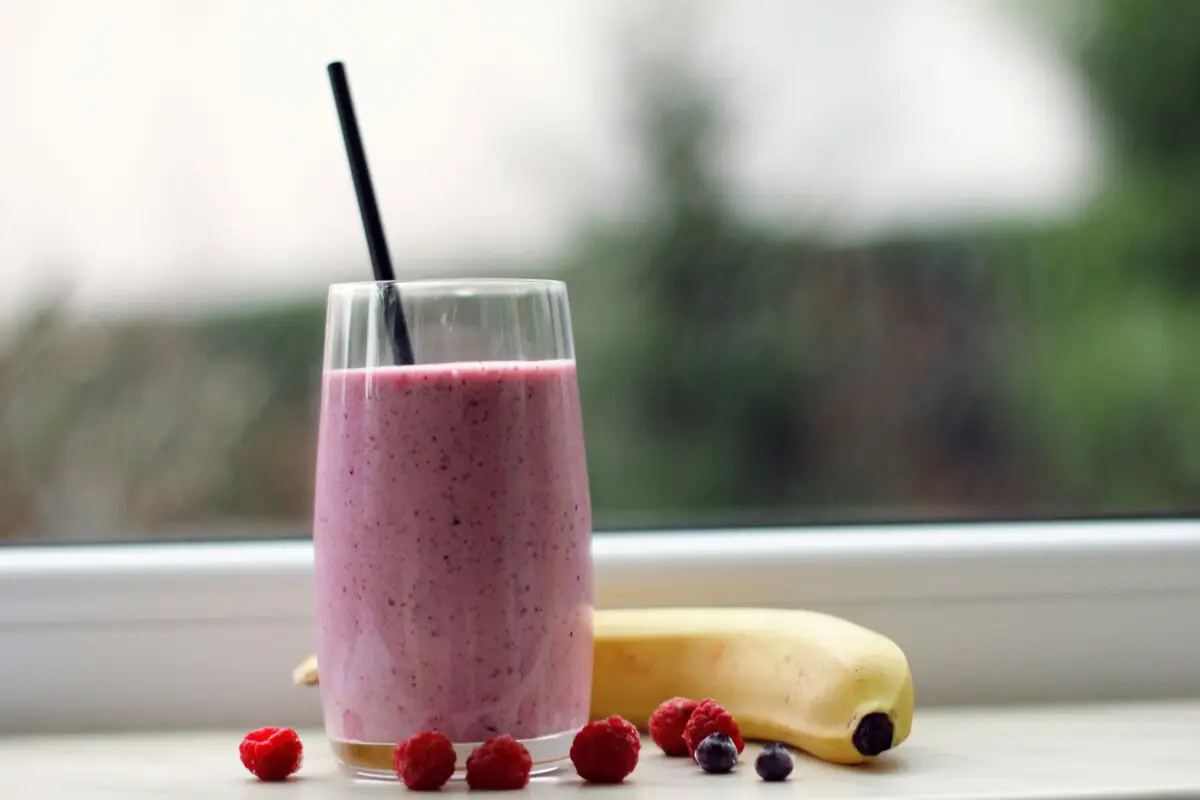
Simple recovery strategies that actually work:
- Chia seeds mixed into water or a smoothie deliver omega-3 fatty acids, fiber, and protein in a form that’s easy to consume immediately post-exercise.
- Chocolate milk is surprisingly effective — it has the right ratio of carbohydrates to protein for post-exercise recovery, and kids will actually drink it.
- A banana with almond butter provides quick carbohydrates, healthy fats, and potassium for cramping prevention.
- Greek yogurt with berries offers protein, probiotics for gut health, and antioxidants that combat exercise-induced oxidative stress.
For athletes 14 and older training at high intensity, a quality whey protein shake can accelerate recovery. For younger players, whole-food sources are sufficient and preferable.
The minerals most youth athletes are deficient in are magnesium and zinc — both critical for muscle function, sleep quality, and immune health. Dark leafy greens, pumpkin seeds, and quality meat address both.
Making It Affordable and Automatic
I built my nutrition habits when I barely had any money. This isn’t a rich-family luxury — it’s a priority and a system.
Even on a tight budget, I would go to the store and get grass-fed organic sirloin steak because I understood the return on that investment in my body. I bought macadamia nuts because I knew exactly what the monounsaturated fat profile was doing for my hormonal health and energy. Were these the cheapest options? No. But I spent less on processed junk, snacks, and eating out, and the net cost was comparable.
Practical budget strategies for soccer families:
- Buy in bulk and freeze: Grass-fed ground beef, chicken thighs, and wild-caught fish go on sale regularly. Stock up and freeze in portion sizes.
- Eggs are the best value in nutrition: Pasture-raised eggs cost more than conventional, but even at $6 a dozen, each egg delivers high-quality protein, healthy fats, and micronutrients for about 50 cents.
- Seasonal produce: Farmers markets at the end of the day often sell produce at steep discounts. Frozen vegetables are nutritionally comparable to fresh and cost a fraction.
- Batch cook on Sundays: Make a large pot of rice, roast a tray of sweet potatoes, and prep protein for the week. Game-day meals become assembly, not cooking.
- Cut the junk budget: Most families spend $40 to $80 per month on chips, cookies, soda, and convenience snacks. Redirecting that money to whole foods is a straight upgrade.
The real secret is that it becomes automatic. Every single time I walk into a grocery store now, I know exactly what I am getting. It’s not willpower. It’s a habit that was built one grocery trip at a time over years, and now it runs on autopilot. That’s what I want for every family I work with: not perfection, but a system that runs itself.
Frequently Asked Questions
What should my child eat the morning of a soccer game?
A balanced meal 2 to 3 hours before kickoff: eggs or oatmeal with fruit, or whole-grain toast with almond butter and a banana. Avoid sugary cereals, pastries, or anything heavy and greasy.
Is it worth buying organic food for my young athlete?
Where your budget allows, yes. The biggest impact comes from organic and grass-fed animal proteins, which avoid added hormones and antibiotics. For produce, prioritize the “Dirty Dozen” list of most-sprayed fruits and vegetables.
Should my youth soccer player take protein supplements?
For athletes 14 and older training at high intensity, a quality whey protein can support recovery. For younger players, whole-food protein sources like eggs, Greek yogurt, and quality meat are sufficient and preferable.
How do I get my picky eater to eat healthier for soccer?
Start with one upgrade at a time. Swap the pre-game snack first — a banana with nut butter instead of a granola bar. Once that becomes normal, upgrade breakfast. Small changes that stick beat dramatic overhauls that last a week.
Does nutrition really affect how my kid plays in the second half?
Absolutely. The second-half fade that parents attribute to fitness is often a nutrition timing and quality problem. Stable blood sugar from low-glycemic carbohydrates sustains energy and focus through the full 90 minutes. Processed foods spike and crash energy, which shows up as exactly the kind of late-game drop-off that loses close matches.
Gear I recommend for this: grab electrolytes, whey protein and chia from the Soccercademy store. (As an Amazon Associate, Soccercademy earns from qualifying purchases.)